GlycoFortin Ingredients: Formula, Research and Safety
The same product, described with three different ingredient lists. That is the fastest way to lose trust in a supplement. So here is the full panel, ingredient by ingredient, with what research says and where the dosing gaps sit.
- Chromium plus a 23-ingredient proprietary blend
- 12 botanical extracts and 10 amino acid and support compounds
- Caffeine, grapefruit and licorice warnings explained
- Liquid drops, made in a GMP-certified US facility
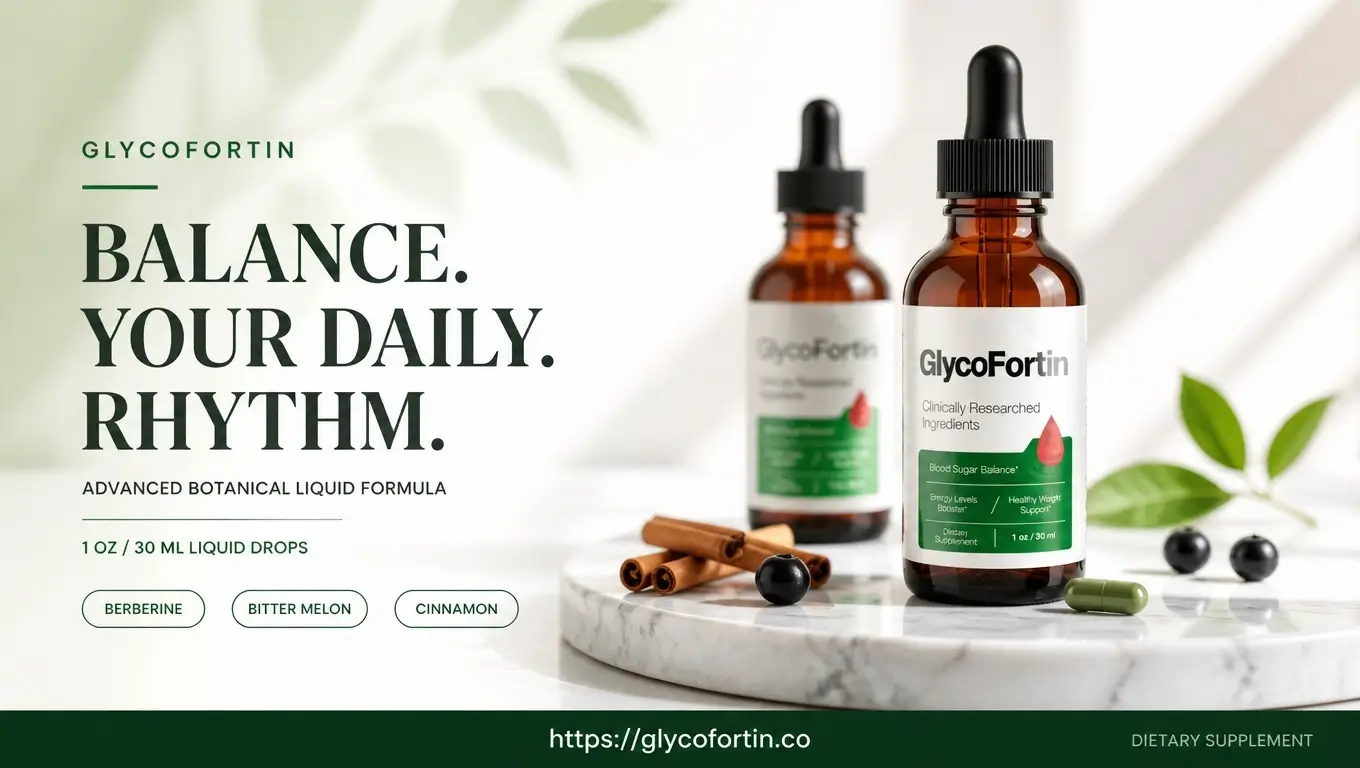
What Are the Ingredients in GlycoFortin?
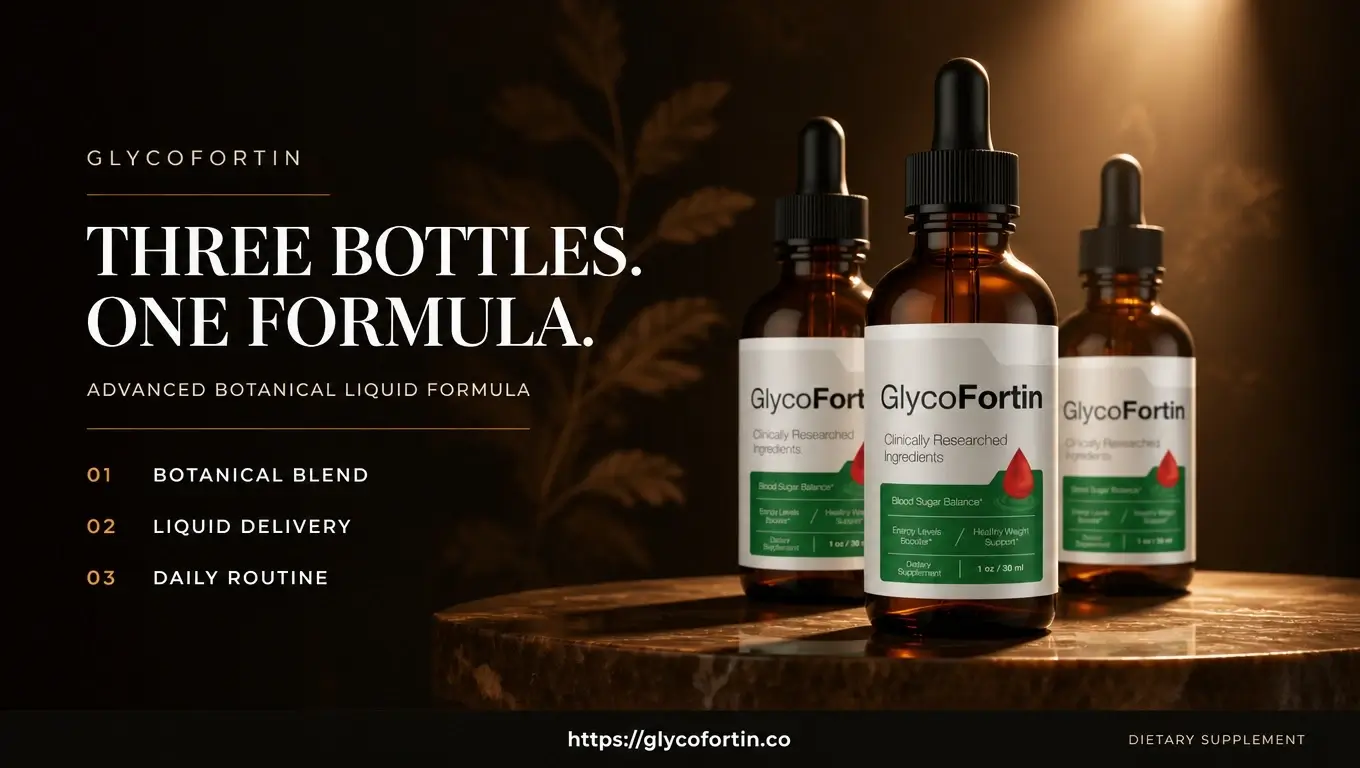
The formula has one declared active mineral and a proprietary blend of 23 plant and amino acid ingredients. Chromium sits outside the blend, which means its amount is stated separately on the label. Everything else appears under a single combined weight.
That last detail matters more than any single ingredient. It tells you what is in the bottle, and it also tells you what the label does not show.
The panel lists chromium first, then a "Proprietary Blend" line with one milligram total covering all 23 ingredients. There is no per-ingredient count inside it. That is legal and common, but it caps how much you can verify. Read the serving size too — the blend weight applies per serving, not per bottle.
Chromium is the only ingredient with its own declared amount, which makes it the only one you can compare directly with research doses. The blend gathers twelve botanical extracts and ten amino acid and support compounds under one figure. The NIH chromium fact sheet covers the mineral side well.
One GlycoFortin page lists berberine and cinnamon. Another lists chromium and this 23-part blend. Both use the product name. At least one is describing a different formula, an older version, or copied content. That is why the bottle in your hand outranks every page you read, including this one.
This breakdown follows the chromium-plus-proprietary-blend label, checked in November 2026 against the official GlycoFortin site. If your bottle lists berberine or cinnamon instead, you have a different product and should treat the sections below as inapplicable.
GlycoFortin Chromium: Amount and Research
Chromium appears as a standalone line with its own microgram figure per serving, separate from the blend. That is the one number you can hold up against published research. Check the bottle for the exact amount, because label revisions happen.
Chromium is a trace mineral involved in normal macronutrient metabolism, and insulin depends on it to help move glucose into cells. Human studies have looked at chromium picolinate and chromium chloride for insulin sensitivity and blood sugar control, with results that range from modest to inconclusive. It is not a treatment. It is a nutrient with a supporting role, which is exactly how the label frames it.
A chromium study uses a specific form, dose and population. GlycoFortin uses its own form and combines it with 23 other ingredients that may help or hinder absorption. You cannot lift a result from one context into another and call it proof. The honest reading: chromium supports normal metabolism, and this formula has not been tested as a whole.
GlycoFortin Botanical Ingredients
Twelve plant extracts make up the botanical half of the blend. Each one has a traditional use or a research thread behind it. None has been studied in this exact combination, and none carries a disclosed dose.

Plant extracts in a blood sugar formula usually fall into three jobs: antioxidant support, traditional metabolic use, and mild stimulation. GlycoFortin draws from all three, which is why the panel is unusually long for a dropper product.
A Peruvian root used traditionally for stamina and hormonal balance. Small human studies look at energy and libido, not blood sugar. Its presence here is best read as general vitality support.
Rich in oligomeric proanthocyanidins, a class of antioxidants studied for vascular and metabolic effects. Some trials examine insulin sensitivity; results are mixed and doses vary widely. A reasonable antioxidant addition.
A natural caffeine source, roughly twice the concentration of coffee bean by weight. It brings alertness and appetite suppression. It also means the formula is not stimulant-free, and caffeine-sensitive buyers should note it.
Marketed heavily for weight management in the 2010s. The human evidence is small and inconsistent. It appears here for metabolic and appetite support rather than proven fat loss.
An adaptogen used for fatigue and stress resilience. Research focuses on stamina and mental performance. It supports the energy side of the formula rather than glucose handling directly.
A traditional Chinese herb studied for immune modulation and antioxidant activity. Some preliminary work touches insulin signaling. Evidence is early and mostly preclinical.
Contains EGCG and caffeine, both studied for metabolic rate and fat oxidation. Green tea catechins have the strongest human evidence of any botanical here, though effects are modest and dose-dependent.
Known as the sugar destroyer in Ayurvedic practice because gymnemic acids temporarily blunt sweet taste. Studied for glucose absorption and beta-cell function, with small trials showing interest but not conclusive results.
Contains forskolin, which raises cellular cAMP and has been studied for body composition and, more recently, glucose metabolism. Human trials are few and mixed.
A source of capsaicin, studied for thermogenesis and appetite. It adds a warming effect and mild metabolic stimulation. Doses in research are usually far higher than a supplement blend provides.
Contains naringin and other flavonoids with antioxidant properties. Grapefruit also inhibits CYP3A4, an enzyme that clears many prescription drugs, so this ingredient carries a genuine interaction warning.
The classic ginseng, studied for fatigue, cognitive performance and glucose metabolism. Several small trials suggest improved fasting glucose. It is one of the better-supported botanicals in the blend.
GlycoFortin Amino Acids and Other Blend Ingredients
Ten compounds round out the blend. Some are amino acids with clear physiological roles. Others are support compounds that raise questions of their own.
The most abundant amino acid in blood. Studied for gut lining support and, in some trials, for reducing sugar cravings in people with low blood sugar patterns. A reasonable addition to an appetite-focused formula.
A precursor to dopamine and noradrenaline, used for focus under stress. It supports the mental clarity side of steady energy rather than glucose control.
A precursor to nitric oxide, which affects blood flow. Studied for vascular function and, in some work, insulin sensitivity. Effects depend heavily on dose.
Buffers acid in muscle and is well studied for exercise endurance. Its role in a blood sugar formula is indirect, tied to physical performance rather than glucose.
A calming neurotransmitter available as a supplement. Studied for sleep and stress, with limited absorption evidence. It supports the "calmer day" positioning rather than metabolism.
Involved in the urea cycle, helping the body clear ammonia. Sometimes studied for fatigue and sleep quality. A supporting compound, not a glucose ingredient.
A precursor to serotonin and melatonin. Studied for mood and sleep, and relevant to evening cravings, which often track with mood and fatigue.
Shuttles fatty acids into mitochondria for energy. Studied for exercise recovery and, in some trials, glycemic control in specific populations. One of the more meaningful entries here.
A compound marketed for weight loss on thin evidence. Human trials are essentially absent. It appears here for marketing familiarity as much as function.
A licorice-derived sweetener and flavoring agent. It is the reason for the licorice warning in the safety section. It can affect potassium levels and blood pressure when consumed in quantity.
What Is in the GlycoFortin Proprietary Blend?
The label states one total for all 23 ingredients, not how it divides. A hundred milligrams could be 90 mg of one extract and a fraction of the rest, or spread thinly across all of them.
Research findings are tied to dose. Green tea catechins at 500 mg behave differently from 50 mg. Without per-ingredient amounts, you cannot tell whether any component reaches a studied level. This is not unique to GlycoFortin — it is the standard trade-off of proprietary blends, and it caps how much the ingredient list can tell you.
No. The only declared number outside the blend is chromium. Everything else is unknowable from the label, and no calculation recovers it. If exact dosing is important to you, ask the seller directly, and treat a vague answer as information too.
GlycoFortin Other Ingredients and Dietary Considerations
A liquid dropper needs a carrier — usually water or vegetable glycerin, plus preservatives for stability. Those appear in the "other ingredients" line below the blend. Read it if you avoid certain additives.
Customer feedback describes a sweet, slightly earthy taste, consistent with glycerin and the licorice-derived compound in the blend. If you watch sugar intake, check whether the sweetness comes from glycerin or an added caloric sweetener.
The panel does not advertise a vegan, gluten-free or allergen-free certification. If you avoid gluten, soy, dairy or animal-derived ingredients, confirm with the seller before ordering. Capsules and liquids often carry different excipients, so a claim about one format does not cover the other.
GlycoFortin Ingredients and Scientific Evidence
The strongest human evidence sits with chromium, green tea catechins, Panax ginseng, L-carnitine and gymnema. Grape seed and coleus have smaller, mixed trials. Raspberry ketones, maca for glucose and African mango have little to none.
Every study above looked at a single ingredient, often in isolation, often at a dose a supplement blend cannot match. No published trial has tested this 23-ingredient combination. Ingredient research tells you what a component can do. It cannot tell you what this bottle does.
They cannot be compared. Research doses are stated per ingredient; the label gives one combined figure. Until per-ingredient amounts are published, any claim that GlycoFortin delivers a studied dose is unverifiable.
A randomized trial of this formula, with disclosed doses, measured glucose endpoints and a control group. Until that exists, the honest position is that the ingredients are plausible and the product is unproven as a whole.
GlycoFortin Ingredient Safety and Interactions
Three ingredients in this panel carry real warnings. None of them is hidden, but all three are easy to miss on a sales page.
Guarana and green tea both supply caffeine. The label does not state a total caffeine figure, so the formula is not caffeine-free despite some marketing language suggesting otherwise. If you are sensitive, limit coffee on the same day, and avoid taking it late.
Grapefruit extract can inhibit CYP3A4, the enzyme that clears many statins, blood pressure drugs and anti-arrhythmics. If your prescription carries a grapefruit warning, treat this formula as carrying the same one and speak to your pharmacist first.
Monoammonium glycyrrhizinate comes from licorice root. In quantity it can lower potassium and raise blood pressure. People with hypertension, kidney disease or a history of low potassium should be cautious, and anyone on diuretics should ask a clinician.
Gymnema, chromium and Panax ginseng all have the potential to affect glucose. Combined with insulin or metformin, that can stack. Monitor as your doctor advises, and never adjust a prescription because a supplement is in the routine.
Anyone pregnant or nursing, under 18, managing diabetes, hypertension, kidney or liver disease, taking blood thinners or scheduled for surgery. The FDA supplement guidance explains why label reading matters here.
GlycoFortin Ingredients: Frequently Asked Questions
Not on this label. Some GlycoFortin sales pages list berberine, which suggests a different formula or an older version. Check your bottle's panel before assuming.
Not on this panel. Cinnamon appears on other GlycoFortin-branded pages but not in the 23-ingredient blend described here. Again, the bottle decides.
No. Guarana seed extract and green tea leaf extract both contain caffeine. No total is disclosed, so treat it as a caffeinated product if you are sensitive.
Only chromium. The other 23 ingredients share one combined blend weight with no per-ingredient amounts, which is legal but limits dose verification.
Individual ingredients have research behind them. The finished 23-ingredient formula has no published clinical trial. Proven is the wrong word for both.
It appears to. Differing ingredient lists across GlycoFortin-branded sites suggest revisions or separate products. Buy from the official site and compare each new bottle to the last.
Sources and Label Verification
The panel used here reflects the chromium-plus-proprietary-blend label published on the official GlycoFortin site. Confirm it against your own bottle, and contact support through the contact page if anything differs.
- NIH Office of Dietary Supplements — Chromium
- MedlinePlus — Blood glucose
- FDA — Dietary supplements
- CDC — Diabetes basics
- American Diabetes Association
- ClinicalTrials.gov
Checked November 2026. Formulas change without notice, and this page cannot verify the bottle you receive. Statements here have not been evaluated by the Food and Drug Administration. GlycoFortin is not intended to diagnose, treat, cure or prevent any disease.
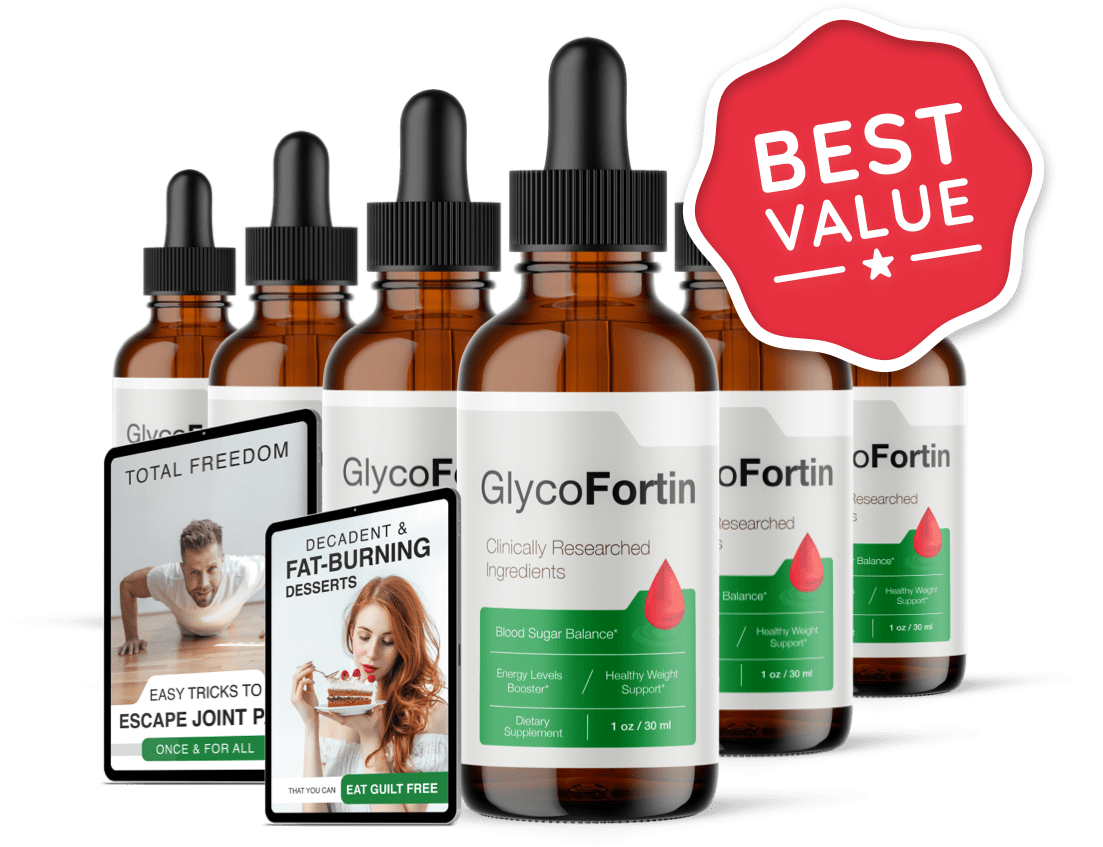
Six bottles at $49 each, free shipping to all 50 states and two bonus gifts while the batch lasts.
Order GlycoFortin Now